Myocardial infarction does not necessarily cause chest pain, doctors remind women, the elderly, and diabetics to pay more attention
A 60 year old man in Changhua, Taiwan, had diabetes and hypertension. Recently, he suddenly experienced dull pain, nausea, and cold sweat in his upper abdomen, but there was no obvious chest pain. He thought it was just eating bad food. Later, he experienced shortness of breath and overall weakness, and his family quickly took him to the hospital. After examination, it was discovered that it was an acute myocardial infarction. Doctors remind that not all cases of myocardial infarction may result in chest pain. If there is unexplained discomfort in the body, one should also be vigilant.
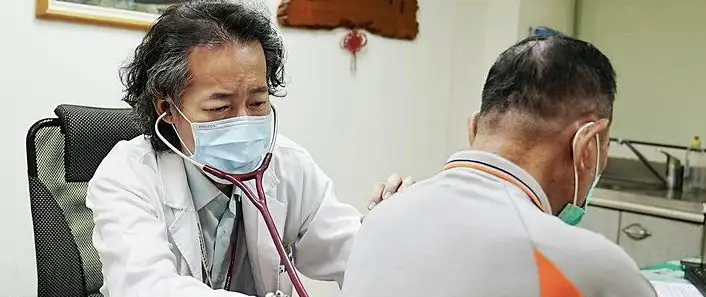
When the weather turns cooler, low temperatures can cause blood vessels to contract, blood pressure to rise, and the burden on the heart to increase. Yang Hebang, the director of the cardiology department at Xiuchuan Memorial Hospital, said that a typical myocardial infarction may result in chest tightness, dull pain, burning or pressure. The pain may also extend to the shoulders, arms, back, neck, or chin. But some patients do not have obvious chest pain, instead they may experience difficulty breathing, cold sweat, nausea and vomiting, dizziness, abnormal fatigue, or upper abdominal pain.
Yang Hebang pointed out that women, the elderly and patients with diabetes are more likely to have atypical symptoms. So we can't just judge by whether it hurts in the chest or not. He also reminded that myocardial infarction is not exclusive to the elderly. Smoking, hypertension, hyperlipidemia, diabetes, obesity, lack of exercise, and someone at home who has cardiovascular disease earlier are important risk factors.
Yang Hebang said that myocardial infarction is a sudden blockage of the coronary artery, causing the myocardium to lack blood and oxygen. The longer it is blocked, the more severe the myocardial damage becomes, and it may even cause fatal arrhythmia, heart failure, psychogenic shock, or sudden death. So it is important to control blood pressure, blood sugar, and blood lipids, quit smoking, and maintain regular exercise. Pay attention to keeping warm even in cold weather.
Time is the heart muscle, "Yang Hebang emphasized. If there is sudden and persistent chest discomfort, or unexplained upper abdominal pain, shoulder or arm discomfort, accompanied by cold sweat, wheezing, nausea and vomiting, or obvious weakness, do not wait for the symptoms to disappear on your own. Seek medical attention as soon as possible and seize the treatment time.