Fever and persistent pain in the front of the neck? Doctor reminds to be careful of thyroiditis
Autumn has arrived, the weather is gradually getting cooler, and the temperature difference between morning and evening is also increasing. Many people feel uncomfortable in their throat, tired, and sore, thinking they have caught a cold. However, if the front of the neck is always painful, even to the chin or ears, but also has a fever, a fast heartbeat, and shaking hands, it may not be a common cold. Be careful if it is thyroiditis.
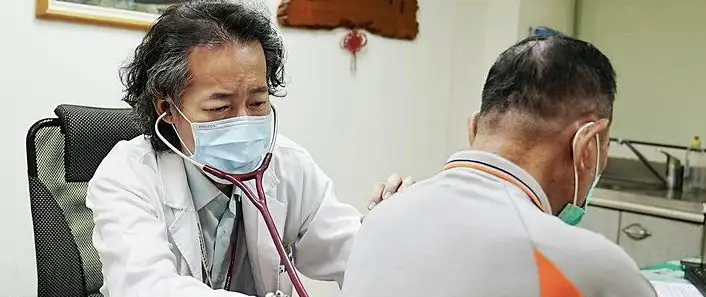
Chinese medicine practitioner Zhou Zonghan said that subacute thyroiditis is an inflammatory disease that occurs after viral infection. Common symptoms include pain in the thyroid gland, fever, and lack of energy. Some studies suggest that this disease is more concentrated from summer to early autumn, but it does not necessarily mean that it will increase every autumn. It still depends on the actual symptoms and examination results.
The pain in the front of the neck may not be simply inflammation of the throat. Zhou Zonghan said that subacute thyroiditis is different from general thyroid dysfunction. Patients may first feel pain in the thyroid gland, usually in the front of the neck and near the Adam's apple. Sometimes it hurts to the chin, ears, and even more when swallowing or turning the neck. Some people may also experience fever, fatigue, and overall discomfort, so it is easy to initially think it is a cold, sore throat, or other infection.
Zhou Zonghan reminds that if you have been experiencing pain in the front of your neck for several days, especially if you still have a fever or discomfort, you should have a doctor take a look. Don't take cold medicine by yourself. To diagnose thyroid inflammation, it is necessary to combine medical history, physical examination, as well as thyroid function and inflammation related tests. If necessary, imaging examination should be performed to separate it from other neck diseases.
Subacute thyroiditis not only causes pain, but may also affect thyroid hormones. Zhou Zonghan said that when thyroid tissue inflammation is destroyed, hormones that originally existed inside may run into the bloodstream. Some patients may suffer from temporary hyperthyroidism at the beginning of the disease, which may lead to rapid heartbeat, shaking hands, fear of heat, sweating and poor sleep.
It should be noted that some patients may enter the stage of hypothyroidism after the initial stage. At this point, one may feel cold, tired, lethargic, constipated, or gain weight. That is to say, the heart may beat fast and sweat easily in the front, but after a while, it may become cold and lose energy. This change needs to be continuously tracked.
From the clinical perspective of traditional Chinese medicine, patients with thyroid diseases may also experience fatigue, poor sleep, palpitations, or emotional instability. Zhou Zonghan said that traditional Chinese medicine conditioning can help alleviate some discomfort based on the overall condition of the patient. But it cannot replace thyroid function testing, nor can traditional Chinese medicine replace necessary Western medicine treatment.