Nighttime Shoulder Pain, Difficulty Lifting Hands, Don't Just Act as a Fifty Shoulder Physician Talks about How to Distinguish Tendon Tear
Mr. Chen, 62, likes playing play badminton very much, but his shoulder suddenly hurts for half a year. Even turning over in the middle of the night would make me wake up in pain, and I couldn't even comb my hair or retrieve my wallet from my back pocket. After going to the hospital for examination, it was found that it was not ordinary joint inflammation, but "moderate tear of the rotator cuff". He underwent minimally invasive arthroscopic rotation tendon suturing surgery and cooperated with rehabilitation. He recovered well within six months and returned to the court to play basketball again.
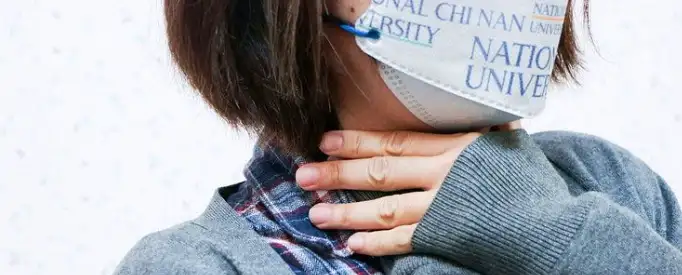
Daqian General Hospital in Miaoli City, Taiwan, said that many people who experience shoulder pain often think it's just a strain or fifty shoulders, and then apply ointment, massage themselves, or even dare not move, which actually delays treatment.
Dr. Cai Minqian, an orthopedic surgeon in Daqian, said that the shoulder joint is surrounded by four important rotating tendons, which help stabilize it. They are responsible for the rotation, elevation, and abduction of the arms. If the tendon degrades due to long-term wear and tear, or ruptures due to acute injury, three major symptoms usually occur:
- Severe pain at night: When lying down or pressing on the painful side, the pain becomes even more severe, seriously affecting sleep.
- Difficulty raising hands: When the arm is lifted over the shoulder, it feels weak and powerless, and even cannot be raised.
- Specific angle limitation: When performing internal or external rotation movements, there may even be joint friction sounds.
Cai Minqian said that there are often people in the outpatient department who cannot distinguish between "ruptured rotator cuff" and "sticky shoulder joint capsule inflammation" commonly known as "fifty shoulder". Fifty shoulders means that the entire direction of the shoulders is stiff, the movement is restricted, and others cannot lift them up even with help; The rupture of the rotating tendon is mainly caused by damage to the tendon structure, which can cause severe pain or lack of force at specific angles, and the degree of restriction also varies. The treatment directions of the two are completely different and should be judged by professional physicians.
He said that the treatment of rotator cuff rupture depends on the degree of rupture, how long the pain has lasted, the patient's age, and their functional needs, and then a customized plan should be developed
-
Conservative treatment: For patients with partial tearing, mild symptoms, or older age, it is recommended to take oral anti-inflammatory drugs and undergo physical rehabilitation. Local injection can also be performed under ultrasound guidance, such as administering steroids for rapid anti-inflammatory treatment or administering high concentration platelet plasma (PRP) to assist in tissue repair.
-
Minimally invasive surgery: If it is full-thickness rupture, conservative treatment is ineffective, or requires high upper limb strength, it is recommended to undergo "minimally invasive arthroscopic surgery". Just a few small wounds about 1 centimeter long, use endoscopes and bone anchors to suture the broken tendons back into the bone. This method causes less damage to the organization, less pain after surgery, and faster recovery.