What is the difference between Shalang and beef buttocks? Fat, taste, and price at once
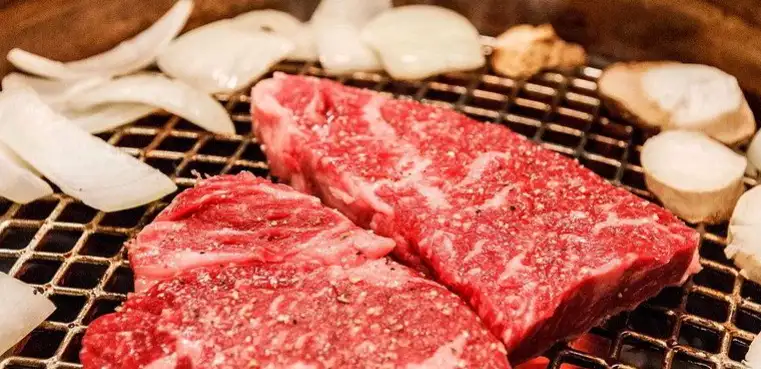
When it comes to sirloin and picanha steam, many Americans are more familiar with sirloin. It is relatively thin, has a good taste, and the price is also moderate. People who have been to Brazilian barbecue restaurants should have also seen beef jerky. These two types of meat are very similar, but not the same thing. Beef buttocks are usually more expensive than salami because they are less common and have a special price, around $18 per pound, sometimes weighing 2 to 3 pounds per piece.
Shalang comes from the hindquarters of cattle, mainly divided into upper and lower back spine and lower back spine. The upper and lower back muscles are more similar to the beef buttocks; The lower back spine is completely different, with a harder texture because it is closer to the legs and moves more.
There is a key point to remember: the upper and lower back spine and beef hip come from the same muscle, but the cutting method is different. So ordering both will result in a different taste. The biggest difference is in fat.
The upper and lower back muscles come from above the cow's hindquarters, that is, above the back. This area is very thin, with less than 5 grams of fat in 3 ounces of meat. It doesn't have any oil droplets that can make the steak juicy, so don't fry it too well. It is recommended to barbecue or pan fry at high temperatures, and not exceed 50% cooked. After baking, be sure to let it sit for a few minutes before cutting.
A pound of upper back and lower back spine is about $10 to $15, cheaper than New Yorkers or rib eyes, which are close to $20 per pound.
Further down towards the legs, there is the lower back spine, which can be divided into three types: triangular pointed flesh, lower back spine ball pointed flesh, and lower back spine wing plate flesh. The overall hardness of the lower back spine is relatively hard, except for the triangular pointed meat, which can be grilled or quickly fried at high temperatures. To maintain tenderness, it is recommended to cut in reverse. The other two are both thin and hard, it's best to marinate them to make the meat tender. They are cheaper than upper back and spine, and luckily they cost less than $10 per pound. These parts are quite different from those of Sharon and beef buttocks.
The beef buttocks and the upper and lower back spine come from the same muscle, but have different appearances. Beef buttocks retain a layer of fat cap, which is usually removed from the upper and lower back spine in American restaurants. This area is sometimes referred to as the 'top sirloin cap' or coulotte.
When making beef buttocks, the fat cap will become soft and the oil will be forced out, pouring it on the meat to give the steak a floral aroma of oil. To achieve this oiling effect, the cooking method must be appropriate.
In Brazilian barbecue, beef buttocks are a classic part. The common practice is to roll the meat into a C shape, string it together, and grill it over the fire, letting the fat drip into the meat. Indirect heating is also good, such as baking in an oven.