Does whey protein increase acne? Doctors remind people who are prone to acne to observe more
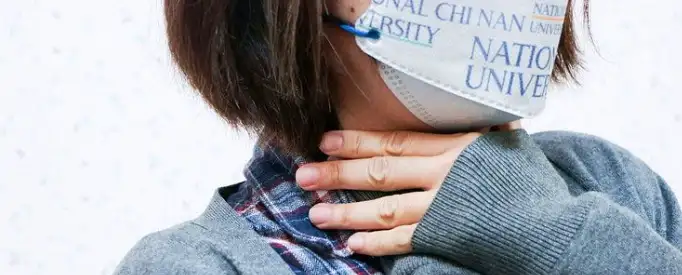
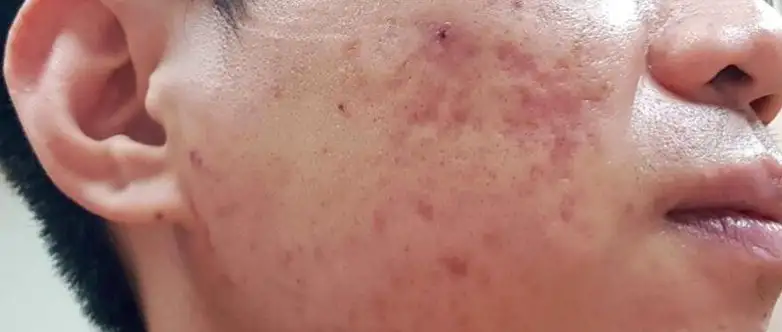
After the COVID-19 epidemic, many people used to wear masks when going out. Dermatologists say that recently it is common for young people in outpatient clinics to wear masks all day at work and exercise after work, fearing air pollution. Sweat and friction sticking to the face can easily lead to acne. People who exercise like to drink whey protein or milk, which may also cause acne in some people. The doctor suggested eating chicken breast and drinking soybean milk instead.
Dr. Zheng Baishan, the chief dermatologist at Chi Mei Hospital in Taiwan, said that recently many young people in their 20s have been wearing masks during commuting, work, and exercise in the clinic. After a whole day, sweat, sebum, and cosmetics are all trapped in the mask, and with friction, pimples grow. She suggested that it's best to take off the mask during exercise. If you need to wear it all day at work, at least find time to wash your face, change your mask more frequently, and reduce the accumulation of dirt on your face.
In terms of diet, fitness is very popular now, and whey protein and milk are both ways to supplement protein. But Zheng Baishan said that research has found that if one is prone to acne, whey protein may make the acne more severe. Low fat milk is also more prone to acne than whole milk. However, she emphasized that if an average person only drinks one or two glasses of milk a day, they don't need to be too afraid or completely stop drinking. If you are already prone to acne and feel more acne after drinking whey protein or milk, it is recommended to drink less.
Zheng Baishan said that if you want to supplement protein but are afraid of acne, you can change to prototype foods, such as chicken breast meat, soybean milk and beans. They can also provide sufficient natural protein and are less likely to cause concerns about acne.
Zheng Baishan reminds that it is also common for people in outpatient clinics to develop acne after changing their skincare products or cosmetics. It may be due to the presence of acne causing ingredients in the product. Suggest stopping the product first and observing the skin condition. In addition, staying up late, working night shifts, and experiencing high life pressure may also trigger or worsen acne.
Zheng Baishan emphasized that acne is caused by many factors together. My own constitution and genes are still the main reasons. Diet, stuffy masks, skincare products, and sleep pressure are just external conditions that can make acne more severe or more prone to occur. In clinical practice, when encountering people with sudden outbreaks of acne, doctors usually first rule out these possible factors one by one and then treat them based on the situation. After adjusting their lifestyle habits and changing their skincare products, most people's acne will gradually improve.