Government Won't Charge Refund Fees First - FTC Warns of Refund Recovery Scams
If you were once scammed out of money and are now desperately trying to get it back, you'd better be very careful—scammers might be watching you!
The Federal Trade Commission (FTC) recently issued a warning. Those scam rings are extremely malicious—they buy victim lists. Then they pretend to be government agencies, consumer protection organizations, or law firms, claiming they can help you recover the money you lost. In reality, they're just trying to scam you a second time!
They might even accurately state how much you lost, the date you paid, and which platform. Do you think they're super professional? Don't believe it! Next, they'll find excuses to make you pay an "agency fee," "processing fee," or "administrative fee" first. Some will ask for your bank card number, credit card, or Social Security number, claiming they need it to deposit the refund. If you actually give it to them, not only will you fail to get your original money back, but your identity could also be stolen, and you'll lose even more.
This kind of "recovery scam" is really not an isolated case. The FBI says that from December 2023 to February 2025, they received more than 100 reports of scammers impersonating the FBI's Internet Crime Complaint Center (IC3). Nearly everyone was told that "the money has been recovered."
There's a very typical scheme. Scammers first use fake female accounts to infiltrate online groups for financial scam victims, pretending to be victims themselves. Then they recommend everyone to add a man on Telegram who claims to be an IC3 supervisor. This man will say the money has been recovered, and take the opportunity to steal your financial information, tricking you again.
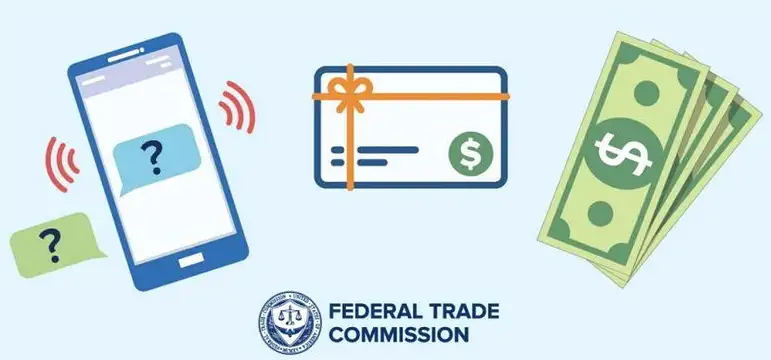
The FTC's latest data is also alarming. In 2025, U.S. consumers reported fraud losses of about $16 billion, a record high! Among that, impersonation of government or businesses accounted for $3.5 billion. However, the FTC also emphasizes that real government agencies will never ask you to pay first to get a refund, nor will they ask you to transfer money, buy gift cards, or use cryptocurrency.
So, if you receive such a "recovery" notice, never call the number they provide or click on the website they give. Look up official contact information yourself. Search for their name online, adding words like "scam," "complaint," or "review." Remember, if a stranger reaches out to you, guarantees they can recover all your money, and asks you to pay upfront—that is basically 100% a scam, and an absolute major red flag.
What if you've already paid? The FTC advises contacting your bank, credit card company, or payment platform immediately, telling them it's fraud and requesting to reverse the transaction. If you used gift cards, keep the cards and receipts and contact the issuing company right away. Although cryptocurrency transactions are difficult to reverse, you should still notify the exchange platform quickly.
You can report these incidents to the FTC's fraud reporting website and the FBI's Internet Crime Complaint Center. If someone over 60 is in this situation, they can also call the National Elder Fraud Hotline: 833-372-8311. Everyone should remind the elderly in their families—don't get scammed again. Being scammed once is already terrible!